
Introduction
Blackjack has earned its reputation as one of the most player-friendly casino games, but that reputation depends heavily on the version you play. Not all blackjack games are created equal. Subtle rule differences across variants can dramatically change the house edge, turning a favorable game into a costly one without most players realizing it.
Understanding how these variants work is essential for anyone serious about long-term success. The goal is not just to play blackjack, but to choose the version that gives you the best mathematical advantage.
This article breaks down the most common blackjack variants, explains how their rules affect the house edge, and shows how to identify the most favorable games.
What Is the House Edge in Blackjack
The house edge represents the percentage of each bet that the casino expects to keep over time. In blackjack, this edge can be as low as 0.5 percent or rise above 2 percent depending on the rules.
Several factors influence the house edge:
- Number of decks used
- Dealer rules on soft 17
- Payout for blackjack
- Doubling and splitting options
- Surrender availability
Even small rule changes can shift the edge significantly, which is why understanding variants is critical.
Classic Blackjack and Its Baseline Edge
Standard blackjack, often referred to as classic or American blackjack, typically offers one of the lowest house edges when played with optimal strategy.
Key Rules
- Blackjack pays 3 to 2
- Dealer stands on soft 17 in some games
- Doubling allowed on most hands
- Splitting pairs is permitted
When these favorable rules are in place, the house edge can drop below 1 percent.
European Blackjack
European blackjack differs slightly from the American version, mainly in how the dealer receives cards.
Key Differences
- Dealer receives only one card initially
- No hole card until players finish their hands
- Doubling may be restricted
Impact on House Edge
Because players cannot see the dealer’s second card early, they face additional risk when doubling or splitting. This increases the house edge slightly compared to classic blackjack.
Atlantic City Blackjack
This variant is considered one of the most player-friendly versions available.
Key Features
- Eight decks
- Dealer stands on soft 17
- Late surrender allowed
- Doubling after splitting permitted
Why It Matters
The inclusion of surrender and flexible doubling rules helps reduce losses in unfavorable situations, lowering the house edge.
Vegas Strip Blackjack
Common in both land-based and online casinos, this variant strikes a balance between accessibility and favorable rules.
Key Features
- Four decks
- Blackjack pays 3 to 2
- Doubling allowed on any two cards
- Splitting up to three times
House Edge Effect
The moderate number of decks and flexible rules keep the house edge relatively low, making it a popular choice among experienced players.
Single Deck Blackjack
At first glance, single deck blackjack seems like the best option due to fewer cards.
Advantages
- Easier to track cards
- Slightly better odds for players
Hidden Drawbacks
Casinos often compensate by introducing less favorable rules:
- Blackjack pays 6 to 5 instead of 3 to 2
- Limited doubling options
Result
These rule changes can increase the house edge significantly, often making single deck games worse than multi-deck versions.
Multi-Hand Blackjack
This variant allows players to play multiple hands simultaneously.
Key Characteristics
- Increased betting opportunities
- Faster gameplay
- Same basic rules as standard blackjack
Impact on Risk
While the house edge per hand remains similar, playing multiple hands increases total exposure. This can amplify both wins and losses.
Blackjack Switch
Blackjack Switch introduces a unique twist by allowing players to swap cards between two hands.
Key Rules
- Players must play two hands
- Cards can be switched between hands
- Blackjack pays even money instead of 3 to 2
House Edge Consideration
The ability to switch cards gives players more control, but the reduced payout balances this advantage. The overall house edge remains competitive but requires adjusted strategy.
Spanish 21
Spanish 21 removes all 10-value cards from the deck, creating a different dynamic.
Key Features
- No 10 cards in the deck
- Player blackjack always wins
- Bonus payouts for specific hands
- Late surrender allowed
House Edge Impact
Despite the removal of 10s, the additional bonuses and favorable rules can make this variant competitive. Skilled players can achieve a relatively low house edge with proper strategy.
Double Exposure Blackjack
In this variant, both dealer cards are visible from the start.
Key Differences
- Dealer cards are face up
- Blackjack pays even money
- Dealer wins ties except for blackjack
Risk and Reward
Seeing both dealer cards provides a significant informational advantage, but the rule changes offset this benefit. The house edge is typically higher than standard blackjack.
Progressive Blackjack
This version includes a side bet linked to a progressive jackpot.
How It Works
- Players place an additional wager
- Jackpot increases over time
- Specific hands trigger payouts
Impact on House Edge
Side bets usually carry a much higher house edge than the main game. While the jackpot is appealing, it increases overall risk.
The Mathematics Behind Rule Changes
Understanding how rule variations affect outcomes is essential.
House\ Edge = Expected\ Loss \div Total\ Wager
Each rule adjustment alters expected loss. For example:
- Changing blackjack payout from 3 to 2 down to 6 to 5 significantly increases house edge
- Allowing surrender reduces expected loss
- Dealer standing on soft 17 benefits the player
These small differences compound over time, making variant selection crucial.
Key Rules That Favor Players
When choosing a blackjack variant, look for these favorable conditions:
- Blackjack pays 3 to 2
- Dealer stands on soft 17
- Doubling allowed after splitting
- Late surrender available
- Fewer decks when rules remain favorable
Avoid games that include:
- 6 to 5 blackjack payouts
- Restrictions on doubling or splitting
- High number of decks without compensating rules
Visual Comparison of Blackjack Variants
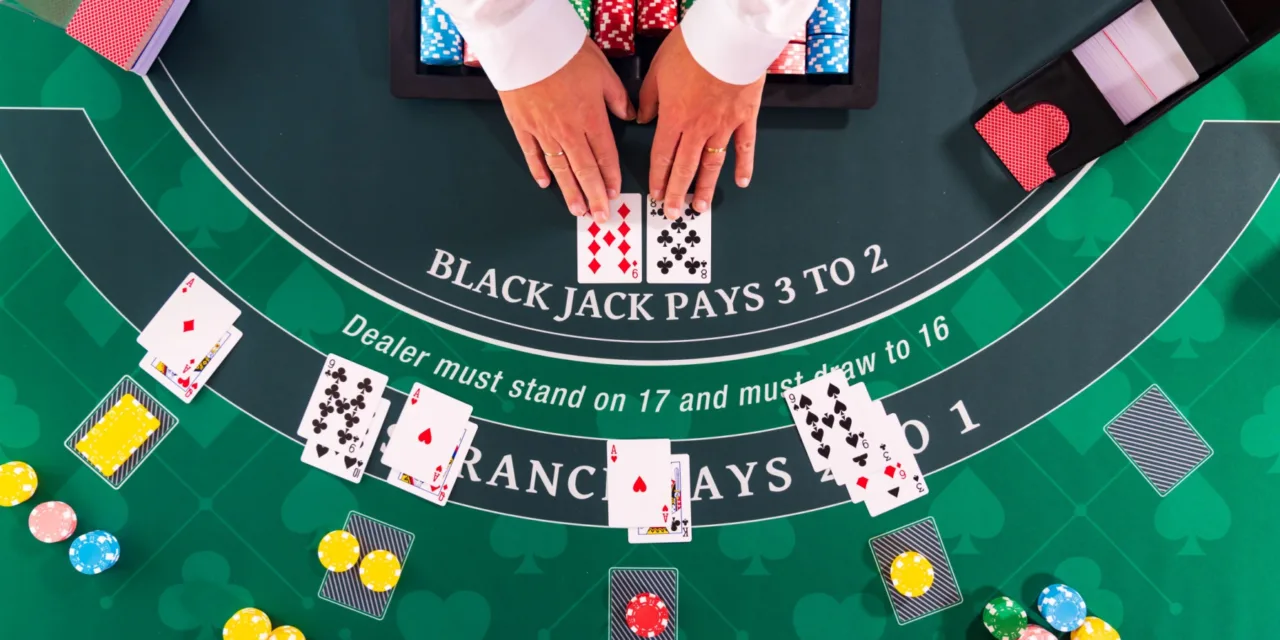
Visual comparisons of table layouts and rule sets help players quickly identify differences between variants. Recognizing these distinctions can prevent costly mistakes.
Strategy Adjustments for Different Variants
Each blackjack variant requires slight modifications to basic strategy.
Examples
- In Spanish 21, players may hit more aggressively due to bonus payouts
- In Double Exposure, decisions change because both dealer cards are visible
- In Blackjack Switch, hand optimization becomes the priority
Using a one-size-fits-all strategy reduces effectiveness and increases risk.
Common Misconceptions
Many players misunderstand how variants affect the game.
Misleading Assumptions
- Fewer decks always mean better odds
- All blackjack games offer similar house edges
- Side bets improve winning chances
In reality, rule combinations matter more than any single factor.
Choosing the Right Variant
Selecting the right game is one of the most important decisions a blackjack player can make.
Practical Tips
- Read the table rules carefully before playing
- Compare multiple tables within the same casino
- Prioritize favorable payouts over convenience
- Avoid games designed to look attractive but hide poor rules
A few minutes of evaluation can significantly impact long-term results.
Conclusion
Blackjack remains one of the most strategic casino games, but its advantage depends heavily on the variant you choose. Small rule changes can shift the house edge in ways that are not immediately obvious.
Players who understand these differences gain a significant advantage. By selecting favorable variants, applying proper strategy, and avoiding misleading features, it is possible to reduce risk and improve outcomes.
The key is awareness. Knowing how each variation works allows you to make informed decisions and approach blackjack as a calculated game rather than a gamble.
FAQ Section
1. Why does a 6 to 5 payout increase the house edge so much
It reduces the payout for a blackjack, which is one of the most valuable hands. Over time, this significantly increases expected losses.
2. Is Spanish 21 better than standard blackjack
It can be, depending on the rules. Bonus payouts and player-friendly conditions can offset the removal of 10 cards.
3. What is the best blackjack variant for beginners
Vegas Strip blackjack is often a good starting point due to its balanced rules and accessibility.
4. Do more decks always mean worse odds
Not necessarily. While more decks generally increase the house edge, favorable rules can compensate for this.
5. Are side bets ever worth it
Most side bets have a higher house edge and are not recommended for long-term profitability.
6. How can I identify a low house edge game quickly
Look for 3 to 2 blackjack payouts, dealer standing on soft 17, and flexible doubling and splitting rules.
7. Does strategy change between variants
Yes, optimal strategy depends on the specific rules of each variant, and adjusting your approach is essential for success.
