
Introduction
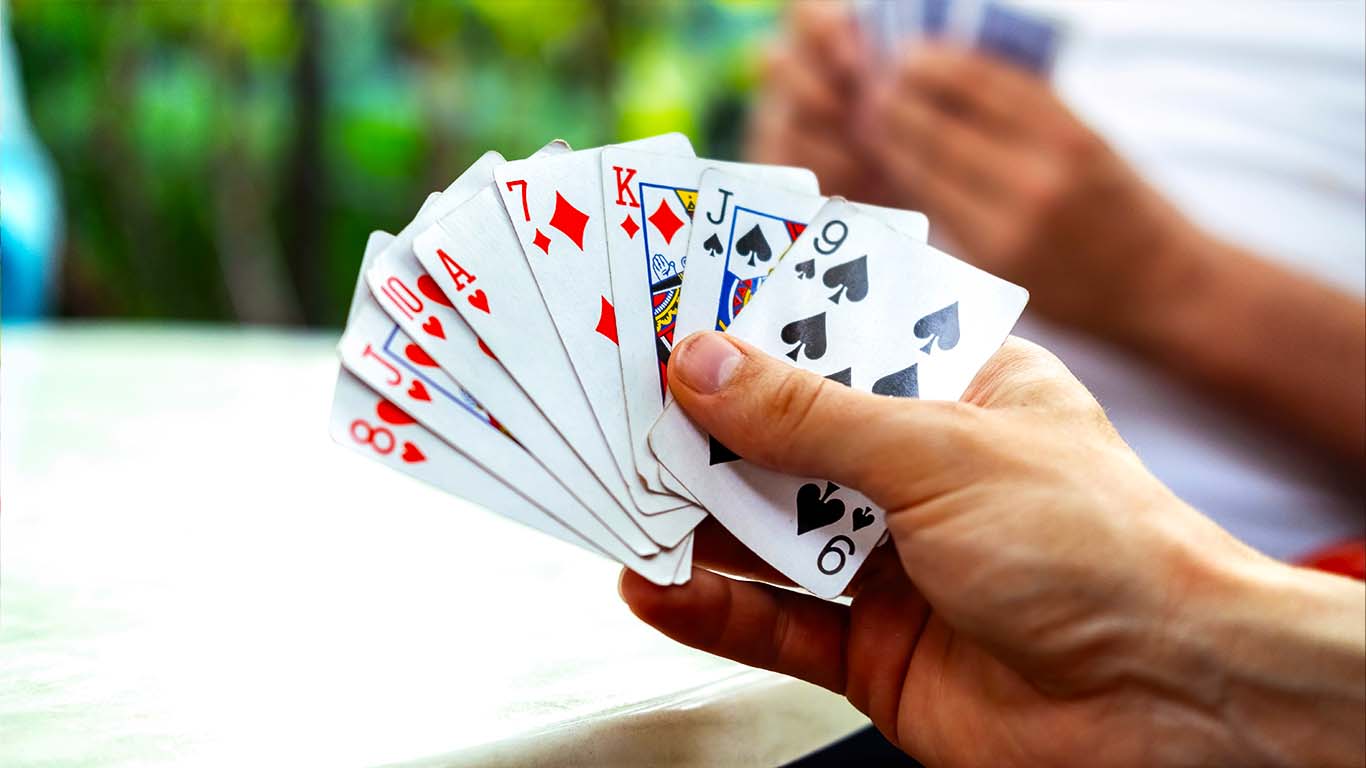
Competitive card games sit at a unique intersection of chance and decision-making. Whether it is poker, blackjack, or strategic trading card games, outcomes are influenced by both random events and player choices. This dual nature often leads to a central question: how much of success is driven by skill, and how much is determined by luck?
Understanding this balance is essential for anyone aiming to improve performance. Players who attribute everything to luck tend to stagnate, while those who ignore randomness often become frustrated. The truth lies in recognizing how both elements interact over time.
This article explores the relationship between skill and luck in competitive card games, explains how each factor influences results, and outlines practical ways to maximize your edge.
Defining Luck in Card Games
Luck refers to random events that are outside a player’s control. In card games, this usually comes from the order of the deck and the cards dealt.
Examples of Luck
- Receiving strong or weak starting hands
- Drawing favorable or unfavorable cards during play
- Opponents hitting unlikely outcomes
Characteristics of Luck
- Short-term impact is significant
- Cannot be predicted or controlled
- Affects all players equally over time
Luck creates variability. It ensures that even weaker players can win individual hands or games.
Defining Skill in Card Games
Skill is the ability to make optimal decisions based on available information. It is developed through experience, study, and discipline.
Components of Skill
- Understanding probabilities
- Reading opponents and patterns
- Managing risk and resources
- Adapting strategy to changing conditions
Characteristics of Skill
- Improves with practice
- Provides long-term advantage
- Reduces the impact of mistakes
Skill determines how effectively a player responds to the situations created by luck.
The Interaction Between Skill and Luck
Skill and luck are not separate forces. They interact continuously throughout gameplay.
Key Relationship
- Luck determines the situation
- Skill determines the response
For example, receiving a strong hand is luck, but playing it correctly is skill. Similarly, a weak hand can still be profitable if played strategically.
Short-Term vs Long-Term Outcomes
One of the most important distinctions in card games is the difference between short-term and long-term results.
Short-Term Reality
- Luck dominates
- Outcomes can be unpredictable
- Even poor decisions may lead to wins
Long-Term Reality
- Skill becomes the deciding factor
- Patterns emerge over many games
- Consistent decision-making leads to profit
Players who focus only on short-term results often misjudge their performance.
Probability and Expected Value
Understanding probability is essential for separating skill from luck.
EV = (Probability \times Reward) – (1 – Probability) \times Risk
Expected value represents the average outcome of a decision over time.
Practical Meaning
- Positive expected value decisions lead to long-term success
- Negative expected value decisions result in losses
Skill lies in consistently choosing actions with positive expected value, regardless of short-term outcomes.
Variance and Its Effects
Variance refers to the natural fluctuations in results caused by luck.
How Variance Works
- Even strong players experience losing streaks
- Weak players can have temporary success
- Results may not reflect true skill immediately
Managing Variance
- Focus on decision quality rather than outcomes
- Maintain consistent strategy
- Avoid emotional reactions to short-term swings
Understanding variance helps players stay disciplined.
Skill-Based Advantages in Different Card Games
Not all card games balance skill and luck equally.
Poker
- High skill component
- Decisions significantly impact outcomes
- Long-term results strongly reflect skill
Blackjack
- Moderate skill influence
- Strategy reduces house edge
- Luck still plays a large role in individual hands
Trading Card Games
- Combination of deck building and gameplay skill
- Random draws influence outcomes
- Strategic planning provides long-term advantage
Recognizing the level of skill involved helps set realistic expectations.
Decision-Making Under Uncertainty
Competitive card games require decisions without complete information.
Key Challenges
- Hidden cards
- Opponent behavior
- Changing probabilities
Skill Application
- Use available data to estimate probabilities
- Adjust decisions based on new information
- Balance risk and reward
Strong decision-making reduces the negative impact of uncertainty.
Psychological Factors
Mental discipline plays a critical role in separating skill from luck.
Common Psychological Challenges
- Frustration after losses
- Overconfidence after wins
- Emotional decision-making
Building Mental Strength
- Stay focused on long-term goals
- Avoid reacting impulsively
- Maintain consistency in strategy
Psychological control ensures that skill remains the dominant factor.
Misconceptions About Luck and Skill
Many players misunderstand how these elements interact.
Common Myths
- Winning streaks indicate high skill
- Losing streaks mean poor play
- Luck can be controlled or predicted
Reality
- Short-term results are unreliable indicators
- Skill is measured over a large sample size
- Consistency matters more than individual outcomes
Correcting these misconceptions improves decision-making.
Tracking Performance
To evaluate skill accurately, players must track their results over time.
What to Track
- Number of games played
- Win rate or return on investment
- Decision quality in key situations
Benefits
- Identifies strengths and weaknesses
- Separates luck from performance
- Supports continuous improvement
Data-driven analysis reinforces skill development.
Visualizing Skill vs Luck
Visual representations of probability and variance help clarify how skill and luck interact over time. They show how consistent decisions lead to better outcomes despite short-term fluctuations.
Improving Skill in Card Games
Players can actively increase their edge by focusing on specific areas.
Key Areas for Improvement
- Study game theory and probabilities
- Analyze past hands and decisions
- Observe opponent behavior
- Practice regularly
Long-Term Development
Skill improvement is gradual. Consistent effort leads to measurable gains over time.
Balancing Risk and Reward
Every decision involves weighing potential outcomes.
Strategic Approach
- Evaluate the probability of success
- Consider the size of potential rewards
- Avoid unnecessary risks
Balancing these factors ensures that decisions remain profitable in the long run.
The Role of Experience
Experience refines both technical and intuitive aspects of play.
Benefits of Experience
- Faster decision-making
- Better pattern recognition
- Improved emotional control
Over time, experienced players rely less on guesswork and more on informed judgment.
Conclusion
Skill and luck are inseparable components of competitive card games. Luck creates the situations, but skill determines how those situations are handled. While short-term results may seem random, long-term success is driven by consistent, well-informed decisions.
Players who understand this balance gain a significant advantage. They focus on improving their skills, managing variance, and making decisions that maximize expected value. By doing so, they transform uncertainty into opportunity.
Success in card games is not about eliminating luck. It is about using skill to navigate it effectively.
FAQ Section
1. Can a beginner beat an experienced player due to luck
Yes, in the short term. However, over many games, the experienced player’s skill is more likely to prevail.
2. How many games are needed to see the impact of skill
It depends on the game, but generally a large sample size is required for skill to outweigh luck.
3. Is poker more skill-based than other card games
Yes, poker involves significant decision-making and opponent analysis, making skill a major factor.
4. Can luck ever be completely eliminated
No, randomness is inherent in card games and cannot be removed.
5. What is the best way to improve decision-making
Studying probabilities, reviewing past hands, and practicing consistently are effective methods.
6. Why do good players sometimes lose repeatedly
Variance can cause short-term losses even for skilled players. Long-term results are more reliable indicators.
7. Does emotional control affect performance
Yes, maintaining discipline and avoiding impulsive decisions is essential for applying skill effectively.
